You wake up with chest pain. You call your doctor. They say you need to see a cardiologist. But then they mention something about referrals. You’re confused. Do you actually need one? What happens if you don’t get one? Will your insurance pay? These questions stress you out.
Here’s the truth. Whether you need a referral before seeing a specialist depends on your specific situation. Your insurance plan matters. The type of specialist matters. Your doctor’s policies matter. But here’s some good news. Understanding this takes just a few minutes. And knowing the answer prevents expensive mistakes and frustrating delays.
Let me walk you through exactly how to figure out whether you need a referral before seeing a specialist. No confusing insurance jargon. Just clear information you can actually use.
Key takeaway:
- HMO plans require referrals before seeing specialists; PPO plans usually don’t
- Always verify with your insurance and doctor before scheduling a specialist appointment
- Insurance referrals (approval to pay) and provider referrals (medical recommendation) are different
- Seeing a specialist without a required referral can result in denied claims and huge bills
- Call the specialist’s office before your appointment to confirm the referral was received and approved
What Actually Is a Referral in Healthcare?
A referral is simply a formal permission slip from one doctor to another. Your primary care doctor looks at your condition. They decide you need specialist expertise. So they write you a referral. It’s a request to see that specialist. The referral includes information about your condition and medical history.
Think of your primary care doctor as a gatekeeper. In many healthcare plans, they’re responsible for coordinating all your care. When you need specialty care, the primary doctor approves it through a referral. This system supposedly keeps costs down and makes sure your care is coordinated. Whether it actually does those things is a separate question. But that’s how the system works.
Your primary care physician writes the referral. Sometimes they call it a PCP referral because PCP stands for primary care physician. Sometimes it’s called a referral from primary care physician. Same thing. Different ways of saying it. The point is your main doctor is sending you to the specialist.
Do I Need a Referral to See a Specialist? The Real Answer
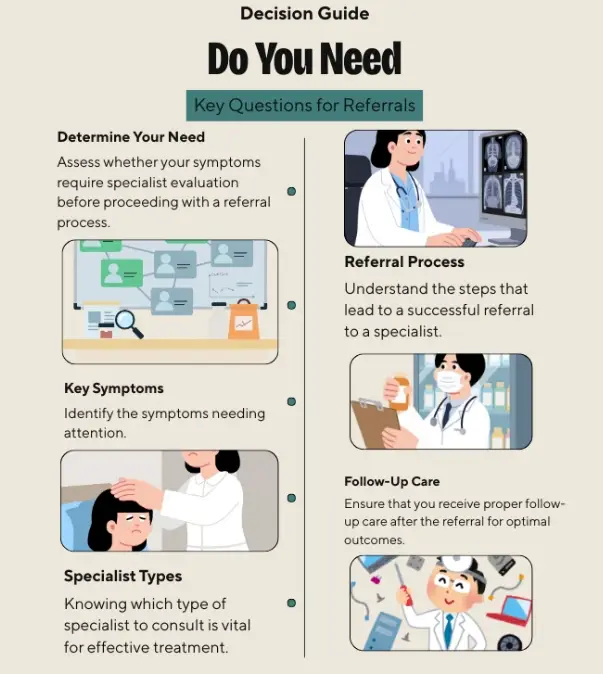
The answer depends on three things. First, your insurance plan. Second, the type of specialist. Third, any special circumstances in your situation.
If you have an HMO plan, you almost certainly need a referral. HMOs require their members to have a primary care physician who coordinates all care. Want to see a cardiologist? You need a referral from your PCP. Want to see a dermatologist? Referral required. HMOs are strict about this because they’re trying to manage costs through coordination.
If you have a PPO plan, you probably don’t need a referral. PPO plans give you more freedom. You can call a specialist directly and schedule an appointment. No permission needed. No referral required. You pay more in premiums for this freedom, but you get it.
If you have Medicaid or Medicare, rules vary. Some Medicaid plans work like HMOs and require referrals. Some don’t. Medicare generally doesn’t require referrals except for HMO variations.
Common Specialists and Whether They Need Referrals
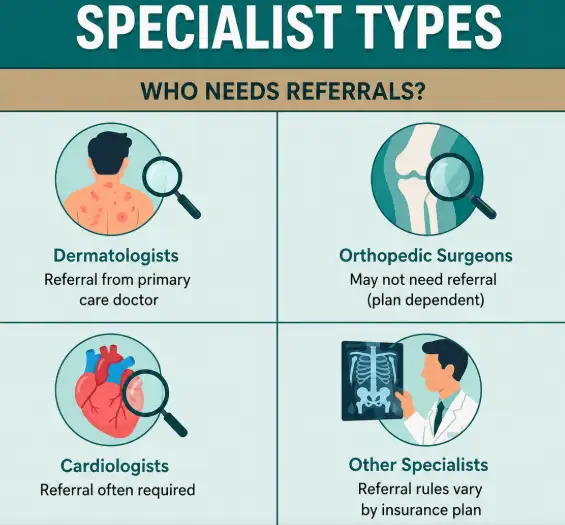
Whether you need a referral to see a specialist depends on your insurance plan and your primary care physician (PCP). For most specialists, a referral is required — but not always.
Specialists That Almost Always Require a Referral
For cardiologists (heart), gastroenterologists (stomach), and neurologists (brain and nerves), a referral from your primary doctor is typically required before you can book an appointment. Your PCP will evaluate your symptoms first and then direct you to the right specialist.
Specialists Where It Depends on Your Insurance
For urologists, orthopedic doctors (bones and joints), and podiatrists (feet), a referral may or may not be needed. It comes down to your specific insurance policy, so it’s worth checking before you schedule.
Specialists That Handle Hormones and Women’s Health
Endocrinologists, who manage hormone-related conditions like diabetes, generally require a referral from your primary doctor. Gynecologists, on the other hand, are one of the few specialists you can typically visit without a referral.
So, You Need a Referral, Now What Actually Happens?
Understanding the referral process takes the stress out of it and helps you move through the system faster, with fewer surprises.
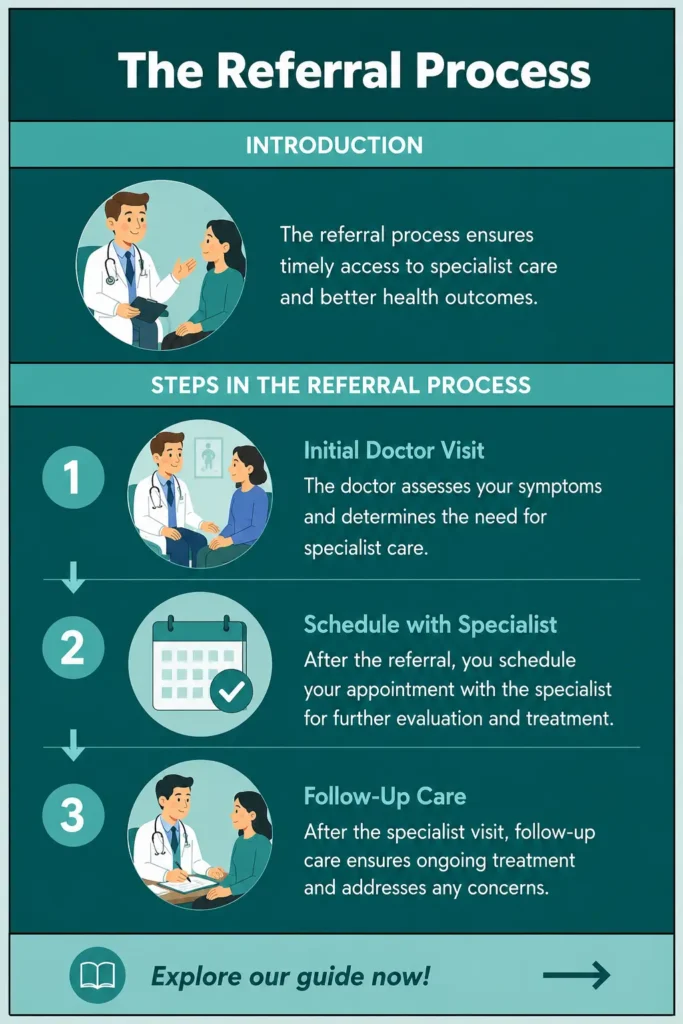
First, you see your primary care physician. You explain your symptoms or concerns. Your doctor evaluates you. They decide you need specialist expertise. They don’t just tell you to go see a specialist. They request it through a referral.
Your doctor writes a referral. Sometimes it’s a paper document. Sometimes it’s electronic. They include information about your condition and why they think you need specialist care. They send this to the specialist’s office.
The specialist’s office receives the referral. They check with your insurance company. Insurance either approves it or denies it. If approved, the specialist schedules your appointment. If denied, you need to work with your doctor to figure out what’s wrong or appeal the denial.
You go to the appointment. The specialist sees you. They send findings back to your primary doctor. Your primary doctor’s office keeps coordinating your care.
This is how doctor referrals work in the system. It’s supposed to improve coordination. It’s supposed to reduce unnecessary care. Whether it actually does either of those things is debatable. But that’s the process.
How Do I Actually Request a Referral?
Getting a referral is pretty straightforward if you follow the right steps.
First, call your primary care doctor. Tell them you think you need to see a specialist. Describe your symptoms. Make an appointment if you don’t already have one scheduled.
At your appointment, be clear about wanting specialist care. Don’t just mention your symptoms. Specifically ask your doctor whether they think you need to see a specialist. Ask which specialist they recommend.
Ask whether your insurance plan requires a referral. Your doctor’s office knows this. They deal with referrals daily. They know what your insurance requires.
Ask about in network providers. You want a specialist covered by your insurance. Your doctor can recommend someone in network. Going out of network costs you significantly more money.
Ask for documentation. Get a copy of the referral or the doctor’s referral letter. Having this in your records matters.
Before your appointment with the specialist, call them to verify they received the referral. Confirm that insurance approved it. This prevents surprises later.
What Happens If You Skip the Referral and See a Specialist Anyway?
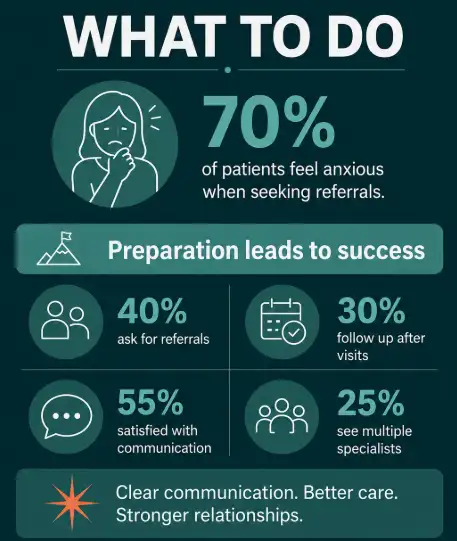
Yes, you can, but there are consequences. If your plan requires a referral and you skip it, your insurance may refuse to cover the visit, leaving you responsible for the entire bill, which can run into thousands of dollars.
What If You’re on a PPO Plan?
PPO members generally don’t need referrals. You can go straight to a specialist, though you’ll pay more out of pocket than you would with a referral in hand.
Can Urgent Care Refer You to a Specialist?
Absolutely. If your primary doctor isn’t available and urgent care determines you need specialist attention, they can write the referral for you.
Know Your Plan Before You Need It
The safest move is to understand your coverage before you ever need specialist care. HMO members especially should always secure a referral first skipping that step can be an expensive mistake.
Insurance Referral Versus Provider Referral
Here’s where things get confusing. Your doctor writes a referral, that’s the provider referral, a medical recommendation saying you need specialist care. Your insurance company then decides whether they’ll pay for it, that’s the insurance referral. Two different things, two different purposes.
You can have one without the other. Your doctor might send you to a specialist, but if insurance denies it, you’re stuck facing an appeal, a second opinion, or an out-of-pocket bill. Understanding the difference between the two means you’ll know exactly where the holdup is and what your next move should be.
Who Is a Referring Physician and Why Do They Matter?
Your referring physician is the doctor who writes your referral. Usually this is your primary care doctor. But sometimes it can be another doctor. If you see your cardiologist and they think you need a neurologist, your cardiologist becomes the referring physician for that neurological referral.
Your primary care physician is usually your referring physician because they coordinate your overall care. They understand your complete medical history. They know what other doctors you’re seeing. They can make appropriate referral decisions.
Having a consistent referring physician improves your care. This doctor knows you. They know your history. They can write better referrals. They can coordinate better care.
Why Referrals Actually Matter
People sometimes think referrals are just insurance company red tape. But they actually serve important purposes.
Referrals ensure you get appropriate care. Your primary doctor knows your complete history. They can determine whether you really need a specialist. This prevents unnecessary specialist visits.
Referrals help control healthcare costs. When doctors coordinate through referrals, patients get fewer unnecessary tests and procedures. This saves money for everyone.
Referrals improve communication between providers. Your specialist knows your primary doctor requested the visit. Your primary doctor knows what the specialist found. Everyone has the same information.
Referrals protect your insurance benefits. Following your plan’s rules means your insurance actually pays. Skipping referrals risks having claims denied.
Missing or incorrect referrals cause serious problems. Treatment gets delayed. Insurance claims get denied. You end up paying bills you shouldn’t owe.
Texas Healthcare Has Its Own Rules, Here’s What to Know
Texas is a huge state with unique healthcare considerations. In urban areas like Dallas, Houston, Austin, and San Antonio, you have plenty of specialists in network. Finding an in network provider is usually easy.
In rural Texas areas, specialists might be scarce. You might not have in network options nearby. This can affect your referral situation. You might need to travel. You might need to go out of network. These situations require special handling with your insurance company.
Before requesting a referral to a specific specialist, check whether they’re in your network. If they’re not, ask your insurance whether going out of network is covered. Ask what your costs would be. Make informed decisions based on real information.
Many Texas employers offer PPO plans as benefits. If your employer does, take advantage. PPO flexibility might be worth the slightly higher cost if you have specific doctors you want to see.
Tips for Avoiding Referral Problems
- Always check your insurance plan’s referral requirements before scheduling, it takes five minutes and saves you from costly surprises.
- Ask your primary doctor directly whether a referral is needed. Don’t assume, don’t guess just ask.
- Get a copy of your referral and keep it. Documentation prevents disputes when things go sideways.
- Call the specialist’s office before your appointment to confirm they received the referral and that insurance has approved it.
- Check the referral’s expiration date, most are only valid for 30 to 90 days, so don’t sit on it.
- If insurance denies the referral, ask your doctor to appeal. A little extra documentation from them can go a long way.
Ready to Simplify Your Referral Process? Integrate Point Can Help
Referrals aren’t complicated once you understand how they work. Know your insurance plan, ask your doctor the right questions, and always verify before your appointment. The difference between an insurance referral and a provider referral matters for both your health and your wallet.
At Integrate Point, we help medical practices manage the referral process smoothly and accurately, so nothing falls through the cracks. From documentation to coordination, we handle the details that keep your practice running and your patients moving forward without unnecessary delays.