A patient leaves your clinic with a referral, grateful for the help. Two weeks later, they still haven’t seen the specialist. No one knows why. This broken referral process happens daily in clinics everywhere. But a referral management system can stop it. It brings the entire referral process into one organized, trackable digital space so no patient falls through the cracks.
Key Takeaway:
- Referral management systems eliminate manual faxes, calls, and administrative chaos
- Real-time tracking ensures no patient gets lost between visits
- Automated reminders keep everyone informed without staff chasing updates
- Specialists’ notes automatically return to primary doctors
- In-network tracking reduces referral leakage and protects revenue
The Real Problem With Referrals in Healthcare Today
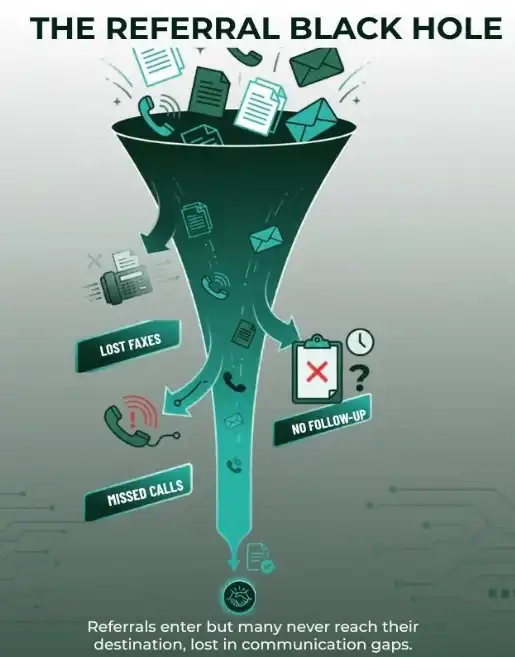
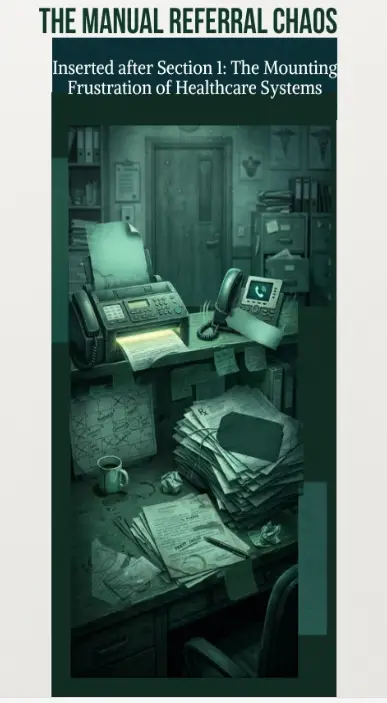
If you work in a clinic, then you already know this feeling. Referral in healthcare sounds simple. Doctor tells patient to see specialist, patient goes, and the process is complete. But, of course, things are not that easy. Let’s look at the process involved. Someone has to call the specialist office. Then wait on hold, leave a message, fax records, and follow up just to confirm the fax actually arrived.
It is exhausting before the patient even books an appointment.
The research by American Academy of Family Physicians revealed that up to 50 percent of referrals never make it to a completed specialist visit. This is half of your patients not getting the care they need, and half of your work being a waste.
So, What Is a Referral Management System Really?
A referral management system is a digital tool built specifically to handle the patient referral process from start to finish. Not just one piece of it. All of it. Think of it like an air traffic control tower, where the system actively monitors every referral and keeps everyone informed in real time.
No missed voicemail happens.
This is what a proper referral system in healthcare does for your team day to day:
- Electronic referral: This sends out referrals via electronic means so that there is no need for a fax machine to be used.
- Real-time referral tracking: This allows for accurate monitoring of where each referral is
- Referral tracking system dashboard: One screen shows all active referrals, so nothing gets buried.
- Automated patient reminders: This ensures that everyone is kept informed, so there is no need to chase anyone around.
- Secure data sharing: This shares clinical notes and records instantly between providers.
It also connects directly with your existing EHR or EMR system. Your team does not have to learn an entirely new way of working. It just makes the workflow you already have much smoother.
Why Clinics Across Texas Are Making the Switch Right Now
Texas is a state that is growing faster than any state in the US. More people mean more patients. More patients means more referrals. And a broken patient referral process at that scale means things go wrong constantly. Clinics in Dallas, Houston, San Antonio and across the state are realizing they cannot rely on faxes and phone calls anymore.
The Difference It Makes for Your Patients
Patients do not care about your backend systems. They want to get seen quickly, tell their story once, and trust that someone actually has a handle on their care.
Reducing patient wait times is one of the biggest wins a referral system delivers. Digital referrals and faster appointment booking shrink the gap between a recommendation and an actual specialist visit dramatically.
Enhancing patient experience is no longer just a nice idea in healthcare. It is something patients talk about online. They leave reviews. They tell their neighbors. A smooth and communicative referral process is one of the most obvious signs that your clinic cares about what happens after the appointment ends.
What About Your Team and Your Bottom Line?
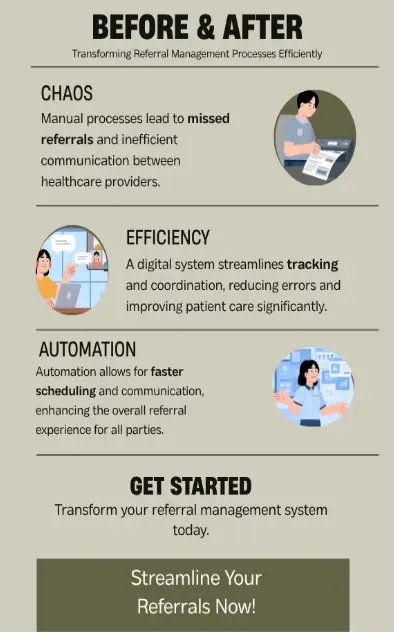
Your front desk staff are likely spending hours every week chasing referral status updates. That is time they could spend with patients or handling urgent calls. Healthcare workflow automation through a referral management system hands that time back to them.
There is also a financial side to this. Referral leakage happens when patients go out of network or simply do not follow through, and it costs your clinic more revenue than most owners realize. A referral management system keeps patients inside your network by making in-network specialists easy to find and easy to book.
The ability to improve patient care coordination also affects your billing directly. When all of the proper information is moving with the patient, claims are more complete. More claims are approved, fewer are denied, and fewer are sent back for rework. Why Closing the Referral Loop Matters More Than Most Clinics Realize
The term Closing the Referral Loop means hearing back about what happened during the specialist visit from the referring doctor
In most US clinics, this almost never happens automatically. The patient gets treated, and the referring doctor has no idea what came next.
A proper referral management system changes that. The primary care physician gets specialist notes automatically. They can update the treatment plan right away. This is what real physician referral management looks like, and it builds genuine trust between providers over time.
Choosing the Right Referral Management Software for Your Clinic
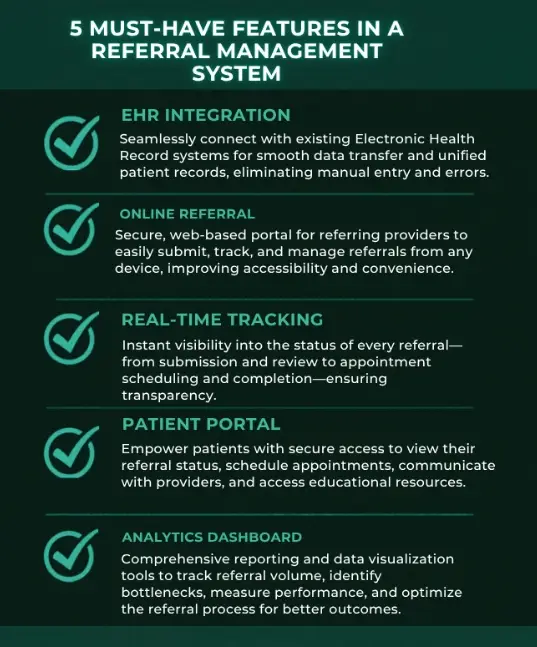
Not every referral management software is built the same. If you are considering different options, then these are the things that you need to look for in a system, especially if you are in Texas or in any part of the United States of America:
- EHR and EMR Integration: It should integrate well with what you are using now, not replace what you are using
- Online referral capability: Digital submission from step one. No paper is involved.
- Insurance Pre-Auth Tools: You want to verify insurance before the appointment, not after
- Patient Portal Access: Your patients should be able to look at their own status, not have to call your office
- Analytics Tools: You should be able to look at what is working, what is not, and what is bogging you down.
When reading about different software programs, especially referral software, take a look at what other clinics like your own have to say about their experience with the software, especially when it comes to onboarding and time saved. That is usually where the real picture emerges. Pair that with patient referral software that has responsive support, and you are in good shape.
For a broader look at referral management best practices, the Health Affairs journal covers care coordination research that puts these practices in a wider clinical context.
It handles the entire digital management of the referral process, from the initial referral all the way to closing the loop, replacing the faxing and calling that usually comes with it. Both small and large clinics use it, including those running multiple locations across the US.
By sending online referrals instantly and automating scheduling, the system removes delays from phone tag and fax hold-ups. Faster processing gets patients seen sooner, which improves both their health outcomes and their overall experience with your Texas clinic.
Most modern referral management software integrates smoothly with common EHR and EMR platforms, and a good provider will walk your team through setup to make sure your existing data and workflows stay intact during the transition.
Closing the referral loop means the referring physician gets confirmation the patient was seen and receives the specialist notes afterward. A referral management system makes this automatic so providers across the US stay informed on every patient outcome without anyone having to chase it down manually.
Yes. A medical referral system keeps patients within your preferred provider network by making in-network specialists easy to find and book. This directly reduces referral leakage, which is one of the most common sources of lost revenue for Texas clinics and healthcare practices across the US.
Ready to Stop Losing Patients in the Referral Process?
If you are still managing referrals manually, you are working harder than you need to. Your staff is stretched thin, your patient referral process is full of gaps, and revenue is leaking through cracks you probably cannot even see yet.
A referral management system does not just fix those gaps. It gives you visibility, control, and the kind of seamless experience that keeps patients coming back and keeps providers happy to work with you. That is what referral in healthcare should actually feel like.
At Healthcare Management Solution | Integrate Point, we specialize in helping clinics like yours implement smart, scalable referral solutions that reduce administrative burdens and keep patients from falling through the cracks, we help clinics across Texas and the US put smart referral management solutions in place. Whether you run a single practice in Dallas or a multi-location network in Houston, our medical referral platform fits your existing workflow and scales with your clinic. Our healthcare referral management approach is built around what real clinics need, not just what looks good on a demo.
When you are ready to improve patient care coordination and stop letting referrals fall through the cracks, we are ready to help.
Contact our team to schedule a demo today and see what smarter referrals can do for your clinic.