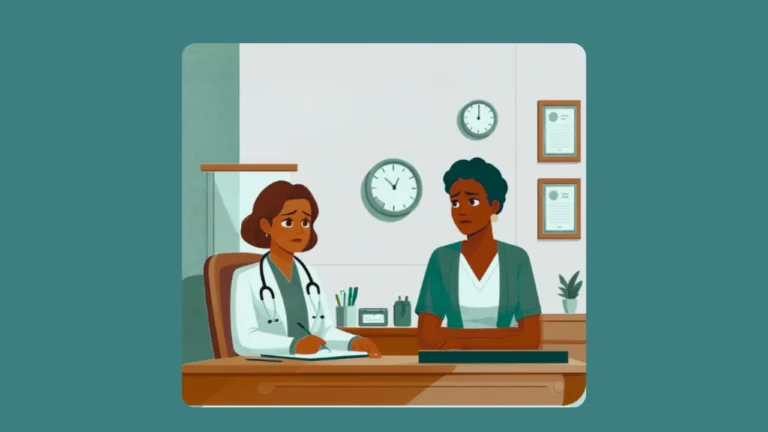
Behind every great patient experience is a clinic running smoothly. Yet providers and staff often get buried in billing, insurance checks, and endless admin tasks. Virtual Assistants step in to handle the load—so doctors can focus on care, managers on growth, and patients on getting the attention they deserve.
Why Virtual Assistants Are the Unsung Heroes of Clinic Efficiency
In today’s demanding healthcare environment, clinics face rising patient volumes, compliance challenges, and administrative overload. From referrals and prior authorizations to billing and claims follow-ups, providers in Texas are stretched thin.
But what if there was a way to ease the pressure, boost efficiency, and even improve patient satisfaction—without breaking the bank?
Here enters the game changer, “The Virtual Assistant”.
And no, we’re not talking about chatbots or voice-command devices. We’re talking about real people—trained, reliable professionals who work remotely to support your clinic’s daily operations.
This is especially relevant for healthcare practices in Texas, where fast-growing metro areas like Dallas face increasing patient demand and rising administrative burdens. Clinics in these regions are realizing that smart delegation through virtual assistants can make the difference between just surviving—and thriving. Let’s explore why virtual assistants (VAs) have become the secret weapon for modern clinics.
What Exactly Does a Virtual Assistant Do in Healthcare?
A healthcare virtual assistant operates remotely, managing key administrative duties that keep daily clinic workflows running smoothly, such as:
- Scheduling appointments & sending reminders (patient records, EHR documentation)
- Verifying insurance coverage and eligibility checks
- Handling Referrals & Prior authorizations
- Supporting Revenue Cycle Management with billing and claims follow-ups
- Managing chart prep and non-clinical tasks through EHR/EMR systems
- Secure patient communication with HIPAA-compliant tools
- Providing timely support via phone, email, and secure patient portals
Think of them as an extension of your front desk or back office—only working from a different location.
Why More Clinics Are Hiring Virtual Assistants
1. Free Up In-Clinic Staff
Front desk staff juggle patient check-ins, phones, and paperwork. Offloading non-clinical tasks like scheduling, verify benefits and eligibility, or referral tracking to VAs prevents burnout and ensures better patient care.
- Administrative Relief: VAs can handle scheduling appointments, managing patient inquiries, processing referrals, updating patient records, and even managing your inbox. This allows your on-site staff to focus on what they do best: direct patient interaction and clinical duties.
- Streamlined Workflows: With a VA managing routine tasks, your clinic’s workflows become smoother and more efficient. Less time spent on paperwork means more time for patient engagement and higher overall productivity.
2. Cost-Effective and Scalable
Hiring in-house staff comes with significant overhead costs—office space, benefits, training, and turnover risk. Virtual assistants, especially through reputable healthcare outsourcing services, are affordable, flexible, and trained to hit the ground running.
- Scale Up or Down: Whether you need extra support during flu season, for a new service launch, or to cover staff leave. Clinics can hire virtual assistants on a schedule that fits their needs—whether part-time, full-time, or for specific projects—offering flexibility aligned with both workflow and budget.
- Access to Global Talent: Virtual assistants can be sourced from anywhere in the world, often at a more competitive rate than local hires, without compromising quality or expertise. This gives clinics access to a broader range of qualified talent beyond their immediate geographic area.
- Focus on Core Competencies: By offloading non-clinical tasks, your clinic can truly focus its resources and energy on its core mission: delivering high-quality medical care.
3. Stronger Revenue Cycle Management
Many clinics underestimate how much revenue is lost due to denied claims, slow billing processes, or missed pre-authorizations. VAs can:
- Monitor claims and rejections
- Submit follow-up documentation
- Help track aging A/R
- Verify benefits and eligibility ahead of time
By proactively monitoring billing and claims, submitting follow-up documentation, and handling pre-authorizations, VAs strengthen Revenue Cycle Management. Clinics reduce denied claims, accelerate cash flow, and keep HHS-audit ready.
4. Improved Patient Experience and Accessibility
A smooth administrative process directly translates to a better patient experience.
- Proactive Communication: VAs can support timely communication—manage phone calls and emails, ensuring patients receive timely responses to their queries, follow up on test results, rescheduling appointments, or handling portal messages quickly. This adds a personalized touch that patients notice.
- Extended Hours: Depending on where your VA is located, you can leverage time zone differences to offer extended administrative support hours without requiring your in-house staff to work overtime.
A clinic in Austin, Texas reported a 20% boost in patient satisfaction scores after assigning a VA to manage phone calls, appointment reminders, reschedules, and follow-up calls.
5. Support Compliance & Admin Accuracy
From HIPAA-compliant communication to accurate EHR documentation and referral tracking, a trained VA reduces costly errors. They also help clinics with credentialing support and compliance checklists to remain HHS-audit ready. They can assist with:
- Referral tracking
- Document filing
- Routine reports and checklists
- Policy updates and credentialing support
Choosing the Right VA for Your Clinic
Not all VAs are created equal. For best results, look for candidates or services with:
- Healthcare or EHR/EMR experience
- Familiarity with HIPAA and patient privacy protocols
- Strong communication skills (verbal and written)
- Reliable tools (headset, stable internet, secure systems)
- Time zone compatible for real-time coordination with your team.
How Integrate Point Can Help
At Integrate Point, we help clinics across Dallas, Plano, and the DFW area transform operations through healthcare-trained Virtual Assistants. Our services include:
- Referral and billing automation
- Verify benefits and eligibility workflows
- Revenue Cycle Management support
- HIPAA-compliant communication tools
- Credentialing & compliance assistance
We tailor solutions to fit your staff setup while providing real-time dashboards to track VA performance. Whether you need EHR/EMR documentation support, appointment scheduling, or pre-authorization follow-ups, our team ensures your clinic runs leaner, faster, and patient-first.
Final Takeaway
In a competitive healthcare landscape, efficiency, cost-effectiveness, and patient satisfaction are paramount. A virtual assistant isn’t just a luxury; they’re a strategic asset that allows your team to focus on what they do best: providing quality care.
In a time when every minute and dollar counts, VAs offer clinics a powerful way to stay efficient, compliant, and patient-focused.
Ready to lighten your load and scale smarter?
A virtual assistant may be your clinic’s best-kept secret. With Integrate Point, you gain the systems, support, and strategy to run a smarter, patient-first clinic built for the future.