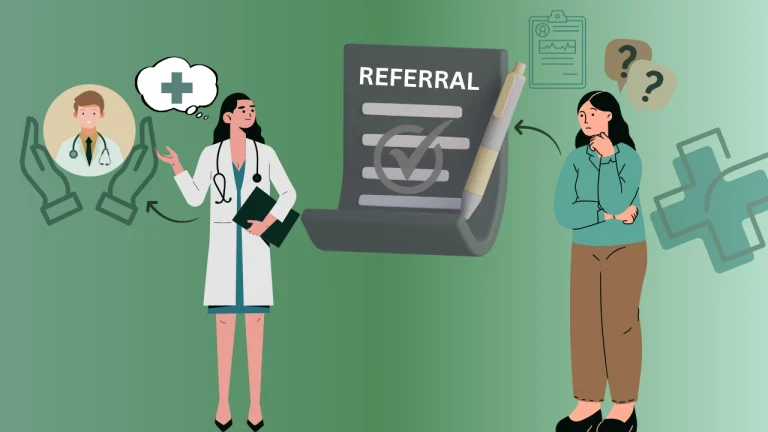
Prior authorization is a critical step in healthcare, but the way it’s handled can make or break efficiency for providers and patient care. With rising costs, tighter compliance rules, and growing patient expectations in Texas, the choice between manual and electronic prior authorization is more important than ever. Compare benefits, costs, and implementation strategies for optimal patient care and operational efficiency.
- Streamlining Healthcare Administration for Better Patient Outcomes
- What Is Prior Authorization in Healthcare?
- The Traditional Manual Authorization Process
- The Electronic Prior Authorization Revolution
- Key Advantages of Electronic Prior Authorization Software
- How Electronic Prior Authorization Improves Patient Care
- Special Considerations for DFW Healthcare Providers
- Choosing the Right Electronic Prior Authorization Vendors
- Implementation Considerations for Wylie Healthcare Providers
- The Future of Healthcare Authorization
- Making the Right Choice for Your Practice
Streamlining Healthcare Administration for Better Patient Outcomes
In the rapidly evolving landscape of healthcare technology, one question continues to dominate administrative discussions: should healthcare providers in Wylie, Texas, embrace electronic prior authorization or stick with traditional manual authorization processes? As healthcare costs continue to rise and patient expectations for faster service increase, understanding the differences between these two approaches has become crucial for medical practices seeking to optimize their operations.
What Is Prior Authorization in Healthcare?
Before diving into the comparison, it’s essential to understand what is prior authorization in healthcare. Prior authorization is a cost-control process used by health insurance companies to determine whether they will cover a prescribed medication, procedure, or service. This health insurance authorization process requires healthcare providers to obtain approval from insurance companies before delivering specific treatments or prescribing certain medications.
Many healthcare professionals often wonder about precertification vs preauthorization – while these terms are sometimes used interchangeably, precertification typically refers to the approval process for procedures, while preauthorization commonly applies to medications and treatments. Both fall under the broader umbrella of understanding prior authorization requirements that healthcare providers must navigate daily.
The Traditional Manual Authorization Process
The traditional manual authorization process has been the backbone of healthcare administration for decades. This approach involves healthcare staff manually completing paper forms, making phone calls to insurance companies, and waiting for responses that can take days or even weeks. While familiar to many healthcare providers in Wylie, Texas, this method presents significant challenges.
Manual processes typically involve multiple steps: gathering patient information, completing prescription solutions prior auth forms, submitting documentation via fax or mail, and following up with insurance companies. This labor-intensive approach often leads to delays in patient care, increased administrative costs, and higher rates of human error.
The Electronic Prior Authorization Revolution
Electronic prior authorization represents a paradigm shift in healthcare administration. By leveraging prior authorization technology, healthcare providers can streamline their prior authorization workflow and achieve faster, more accurate results. Electronic PA systems integrate seamlessly with existing electronic health records (EHR) systems, creating a more efficient and user-friendly experience.
The benefits of electronic prior auth extend far beyond simple digitization. These systems offer real time authorization capabilities, allowing healthcare providers to receive instant feedback on authorization requests. This immediate response capability is particularly valuable for urgent medical situations where delays could impact patient outcomes.
Key Advantages of Electronic Prior Authorization Software
Electronic prior authorization software offers numerous advantages over traditional manual processes. First and foremost, these systems significantly reduce processing time. While manual authorizations can take days or weeks, e prior authorization systems often provide responses within minutes or hours.
Prior authorization automation also dramatically reduces the administrative burden on healthcare staff. Instead of spending hours on phone calls and paperwork, staff can focus on more valuable patient care activities. This efficiency gain is particularly important for busy medical practices in Wylie, Texas, where maximizing productivity is essential for success.
Furthermore, electronic authorization systems provide better accuracy and compliance tracking. These systems automatically validate required information, reducing the likelihood of rejected applications due to incomplete or incorrect data. This digital health compliance feature helps ensure that healthcare providers meet all regulatory requirements while maintaining detailed audit trails.
How Electronic Prior Authorization Improves Patient Care
One of the most compelling arguments for adopting electronic prior authorization is how electronic prior authorization improves patient care. When healthcare providers can quickly obtain authorization for treatments and medications, patients experience shorter wait times and faster access to necessary care.
Electronic PA systems also enable better communication between healthcare providers and patients. Many systems include patient portals where individuals can track the status of their authorization requests, reduce anxiety, and improve transparency. This enhanced communication is particularly valuable in a tight-knit community like Wylie, Texas, where patient satisfaction directly impacts practice reputation.
Additionally, prior authorization software can help identify alternative treatments or medications that are pre-approved by insurance companies, potentially saving patients money while ensuring they receive appropriate care. This proactive approach to medical preauthorization demonstrates a commitment to patient-centered care.
Special Considerations for DFW Healthcare Providers
In the DFW area, healthcare providers face unique challenges that make electronic prior authorization particularly beneficial. Clinics in Texas often face complex insurance networks due to the diverse patient population across Dallas, Fort Worth, and surrounding communities like Wylie. For Dallas patients traveling between multiple healthcare facilities, electronic systems ensure seamless communication and faster authorization processing regardless of location.
The rapid growth of the DFW metropolitan area has created increased demand for healthcare services, making efficiency crucial for patient satisfaction. Electronic prior authorization systems help practices manage higher patient volumes while maintaining quality care standards. Additionally, many major employers in the Dallas-Fort Worth region offer multiple insurance plan options, requiring healthcare providers to navigate various authorization requirements – a task made significantly easier with electronic systems that can handle multiple payers simultaneously.
For healthcare practices serving the diverse DFW community, electronic prior authorization also provides better language support and cultural competency features, ensuring that authorization processes are accessible to all patients regardless of their background.
Choosing the Right Electronic Prior Authorization Vendors
Healthcare providers considering the transition to electronic systems should carefully evaluate electronic prior authorization vendors. The ideal system should integrate seamlessly with existing EHR systems, provide comprehensive reporting capabilities, and offer robust customer support.
When selecting prior authorization software, consider factors such as ease of use, integration capabilities, security features, and cost-effectiveness. Many vendors offer online pre authorization capabilities that allow for 24/7 access, which can be particularly valuable for urgent situations.
End-to-end prior auth management solutions provide the most comprehensive approach, handling everything from initial request submission to final approval tracking. These systems often include features like automated appeals processing and real-time status updates, further streamlining the authorization process.
Implementation Considerations for Wylie Healthcare Providers
For healthcare providers in Wylie, Texas, considering the transition to electronic prior authorization, proper planning is essential. Start by conducting a thorough assessment of current prior authorization workflow processes to identify pain points and inefficiencies.
Staff training is crucial for successful implementation. While electronic prior authorization software is designed to be user-friendly, ensuring that all team members understand how to use the system effectively will maximize its benefits. Consider partnering with vendors that offer comprehensive training and ongoing support.
Medical assistance prior authorization requirements can vary significantly between insurance companies, so choose a system that can handle multiple payers and their unique requirements. This flexibility is particularly important for practices serving diverse patient populations.
The Future of Healthcare Authorization
As healthcare technology continues to evolve, prior authorization technology is becoming increasingly sophisticated. Artificial intelligence and machine learning are being integrated into electronic authorization systems, enabling predictive analytics that can identify likely approval outcomes before submission.
These advanced systems are making healthcare prior authorization more efficient and accurate than ever before. For healthcare providers in Wylie, Texas, staying ahead of these technological trends will be crucial for maintaining competitive advantage and providing exceptional patient care.
Making the Right Choice for Your Practice
The decision between electronic prior authorization and manual authorization ultimately depends on your practice’s specific needs, resources, and patient population. However, the evidence strongly favors electronic systems for most healthcare providers.
Electronic prior authorization offers superior efficiency, accuracy, and patient satisfaction compared to traditional manual processes. While the initial investment in prior authorization software may seem significant, the long-term benefits in terms of reduced administrative costs, faster processing times, and improved patient outcomes make it a worthwhile investment.
For healthcare providers in Wylie, Texas, embracing electronic PA technology represents an opportunity to enhance patient care while streamlining operations. By choosing the right electronic prior authorization software and implementing it effectively, practices can position themselves for success in an increasingly competitive healthcare environment.
The future of healthcare administration lies in automation and digital solutions. Healthcare providers who embrace prior authorization automation today will be better positioned to meet the challenges of tomorrow while providing exceptional care to their patients.
For more information about implementing electronic prior authorization systems in your Wylie, Texas practice, contact Integrate Point’s healthcare technology specialists. Learn more about our comprehensive healthcare solutions and discover how we can help streamline your prior authorization processes.
For additional insights on healthcare technology trends, visit the Healthcare Information and Management Systems Society (HIMSS) website.